Aquarium pH can run low because the source water is naturally soft, KH is depleted, acids accumulate from biological processes, or materials such as driftwood and active substrates reduce alkalinity. Test pH and KH together, compare the tank with the tap, and look for gradual change rather than reacting to one reading. If intervention is needed, increase buffering slowly rather than chasing pH with repeated chemical doses.
A low pH reading is only part of the story. The more useful question is whether the water is naturally soft and stable or whether the aquarium is losing buffering capacity and drifting downward over time.
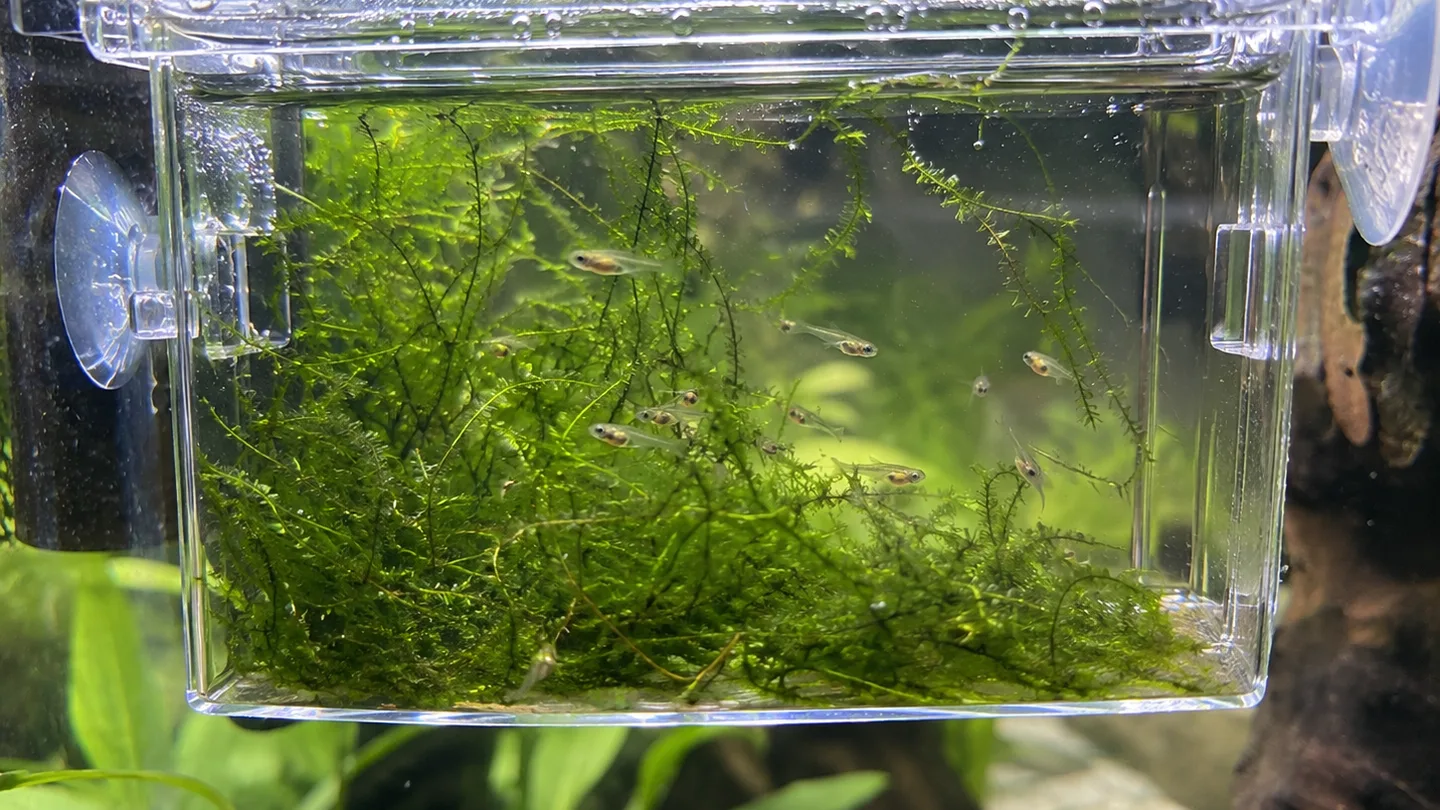
Common reasons pH drops
- Naturally soft, low-KH source water.
- Acids produced as waste is processed biologically.
- Large amounts of driftwood, botanicals or peat.
- Active planted-tank substrates designed to reduce pH and KH.
- Very infrequent water changes in a low-buffering system.
- Using RO or deionised water without appropriate remineralisation.
Why KH is the first companion test
KH reflects the water's carbonate buffering. When KH is very low, ordinary acid production can move pH much more easily.
If pH has fallen and KH is near depletion, restoring some buffering is usually more stable than repeatedly adding a pH-up product.
Compare tank and source water
Test the source water after it has equilibrated with air as well as the aquarium. If both are naturally acidic and the fish are appropriate for soft water, the number may not require correction.
If the tank is much lower than the source, look for acidifying materials, depleted KH and maintenance patterns.
When low pH becomes a cycling problem
Very acidic conditions can slow nitrification. If a tank is cycling poorly and pH has fallen substantially, check KH and whether biological activity has consumed the available buffer.
Correcting the cause can restore bacterial performance without resetting the aquarium.
Raise pH by restoring stability
If higher pH is genuinely needed, gentle mineral sources such as crushed coral or a measured remineralisation approach can raise KH and support a more stable pH.
Make changes gradually and retest rather than trying to reach a target in one dose.
Related aquarium tools and guides
Frequently asked questions
Can low KH cause low pH?
Yes. Low KH means less buffering against acids, so pH can fall more easily.
Does driftwood lower pH?
It can contribute, especially in soft low-KH water, although the effect varies with the wood and the aquarium's buffering.
Can a mature tank become more acidic over time?
Yes. Biological processes produce acids, and low-buffering tanks can gradually drift downward if minerals are not replenished.
Sources and further reading
This guide separates general aquarium arithmetic from fish-welfare decisions. For species-specific limits, always check the needs of the fish you intend to keep.