Before buying a used aquarium, inspect the glass or acrylic for cracks, edge chips, deep scratches and distortion; check silicone seams for separation or damage; inspect frames and braces; and examine the stand for swelling, rot or movement. Ask how the tank was stored and whether it was ever repaired. Even if it looks good, leak-test it before setting it up with livestock.
Used aquariums can be excellent value, especially larger tanks, but you are buying the previous owner's handling history as well as the glass box.
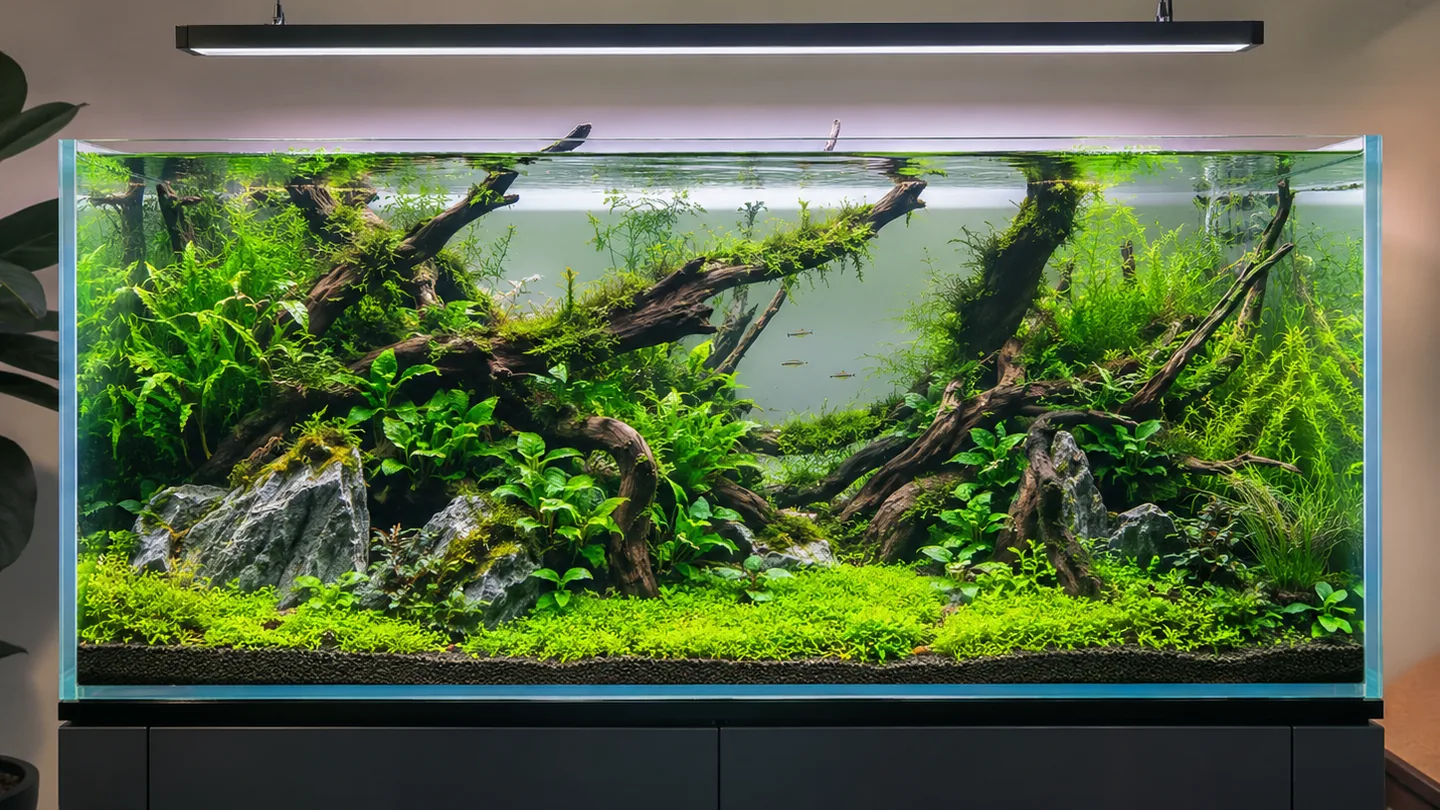
Inspect the tank itself
- Look along every edge for chips or impact damage.
- Check panes for cracks and deep scratches.
- Inspect silicone seams for separation, cuts, missing sections or suspicious repairs.
- Check centre braces and frames for cracks or warping.
- For acrylic, look for crazing, deep scratches and stress damage.
Ask about history
- How long was the tank in use?
- Has it ever leaked or been resealed?
- How was it stored while empty?
- Was it moved while containing water or substrate?
- Were any medications or chemicals used that matter to your intended livestock?
Inspect the stand separately
Particleboard stands can swell after water exposure. Check joints, fasteners, level surfaces and any sagging. A sound tank on a damaged stand is still a poor purchase.
Do not assume a random cabinet that comes with the tank is suitable.
Treat accessories as bonuses
Old heaters, pumps and filters may work, but do not let a pile of accessories distract from the condition of the tank itself. Electrical equipment should be inspected and replaced if safety is uncertain.
Used filter media may also carry unwanted organisms, so decide deliberately whether to reuse it.
Related aquarium tools and guides
Frequently asked questions
Are small chips in aquarium glass safe?
Edge chips can be structurally significant. If damage is near a seam or you are unsure, do not rely on guesswork.
Should I buy a tank that has been resealed?
Only if you understand the repair quality and are prepared to leak-test it thoroughly; a poor reseal is not worth the risk.
Do I need to leak-test a used tank that looks perfect?
Yes. Appearance alone cannot confirm that every seam remains watertight.
Sources and further reading
This guide separates general aquarium arithmetic from fish-welfare decisions. For species-specific limits, always check the needs of the fish you intend to keep.