Male platies can pursue females frequently. Equal numbers can concentrate courtship pressure on too few females, so a female-heavy group is usually more sensible when both sexes are kept. There is no universal magic ratio that fixes poor space or crowding. If breeding is not wanted, a managed single-sex group is simpler than trying to control reproduction through ratios alone.
Ratios are useful because they change how courtship pressure is distributed across the group. They do not remove the need for space, planting and sensible stocking.
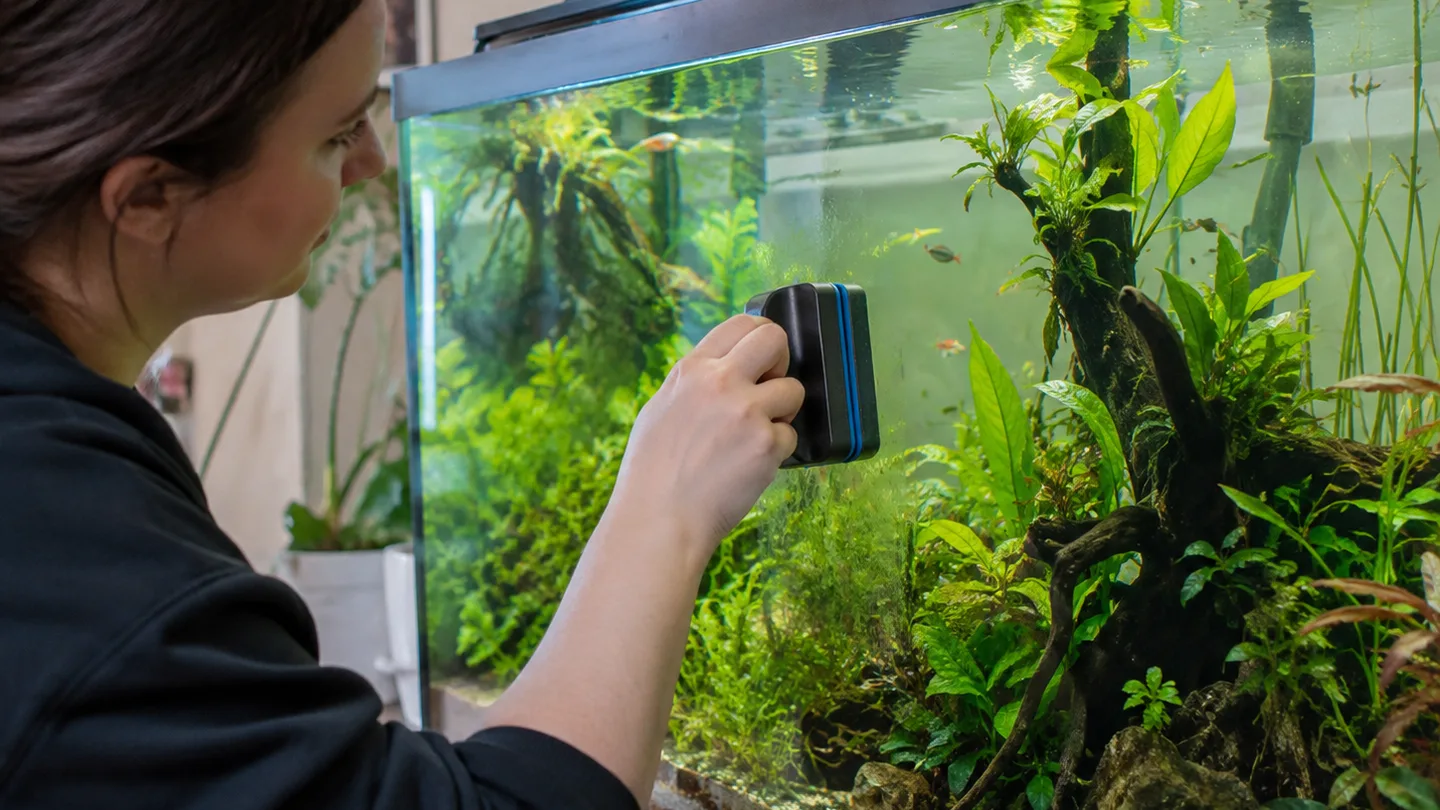
Why 1:1 can create stress
When there are as many males as females, each female may receive repeated attention for much of the day.
More females spreads male attention
A female-heavy group can reduce pressure on one fish, but it also increases the number of potential pregnancies and fry.
Cover still matters
- Dense plants create visual breaks.
- Open swimming space gives females room to move away.
- Multiple feeding areas reduce crowding.
- Overstocking cannot be solved with a ratio.
Single-sex groups are a valid alternative
If you do not want fry, keeping one sex avoids continuous pregnancies, though male-only groups should still be monitored for chasing.
Related aquarium tools and guides
Frequently asked questions
Is one male to one female ideal?
Usually not, because the female may receive too much attention.
Will more females reduce breeding?
No. It can increase the number of pregnancies.
Can I keep only male platies?
Yes, but provide space and watch for persistent chasing between males.
Sources and further reading
This guide separates general aquarium arithmetic from fish-welfare decisions. For species-specific limits, always check the needs of the fish you intend to keep.