Tap water is the normal source water for many freshwater aquariums. If your supply is municipally treated, use a dechlorinator that handles the disinfectants present before the water contacts fish or beneficial bacteria. Also test pH, GH, KH and nitrate so you know whether the source broadly suits the species you keep. Very hard, very soft or high-nitrate tap water may need modification for specialist livestock.
The question is not simply whether tap water is 'safe'. Human drinking-water standards and aquarium requirements are different. The main concerns are disinfectants, mineral chemistry, temperature and any unusual nitrate or metal levels in the local supply.
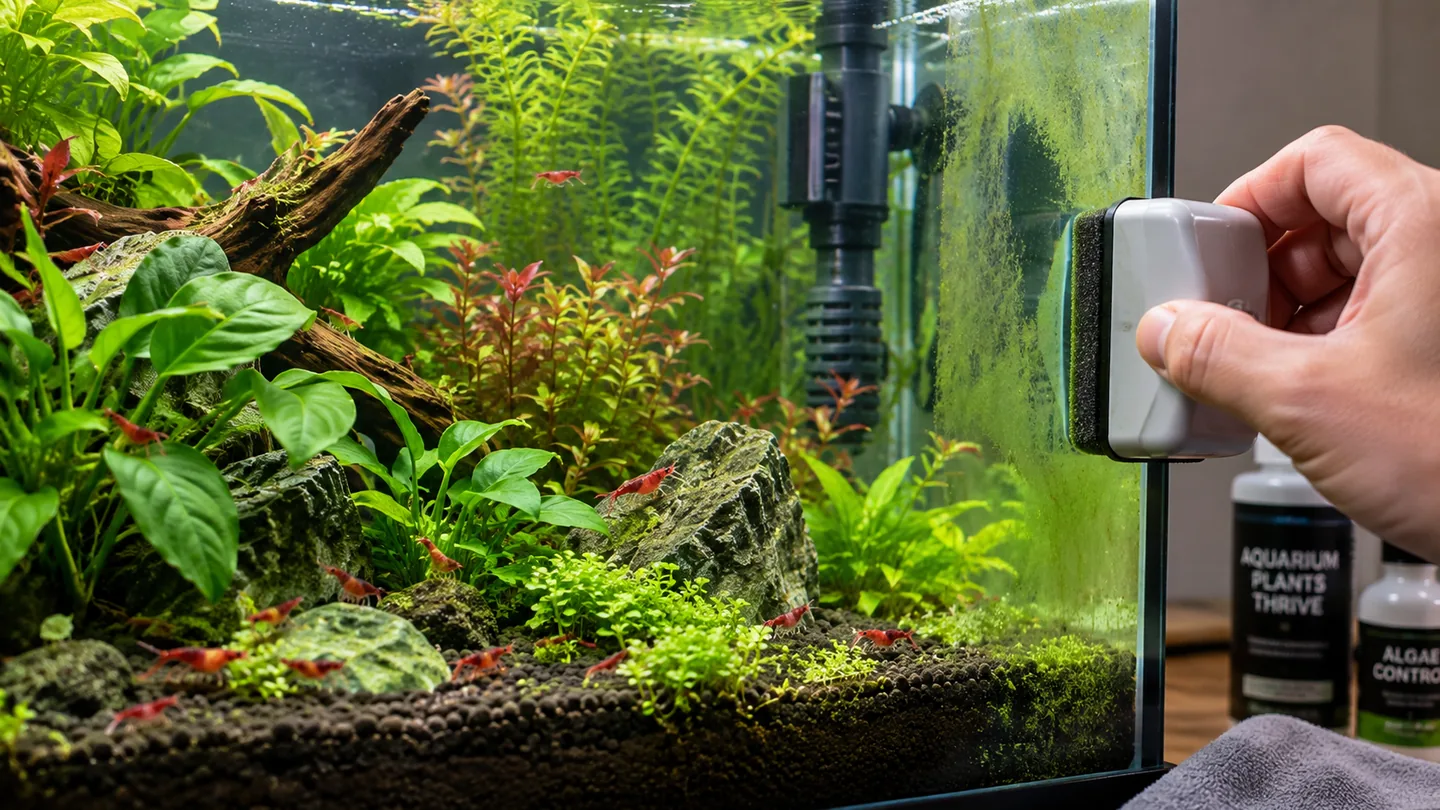
Municipal tap water needs dechlorination
Water companies commonly use chlorine or chloramine to control pathogens. These disinfectants are harmful to aquatic animals and to the microorganisms in biological filtration.
Use a conditioner that matches the disinfectant used by your supplier and dose it according to the product instructions.
Do not assume all tap water has the same chemistry
One area may have very soft water while another has high GH and KH. Test your source water before choosing sensitive species or trying to correct the aquarium.
The easiest fishkeeping usually comes from choosing livestock that broadly suits the tap.
Check nitrate at the source
If tap water already contains nitrate, water changes may not reduce aquarium nitrate as far as expected. Testing the source separately helps distinguish a tank problem from a supply-water baseline.
Match temperature during water changes
Replacement water should be reasonably close to the aquarium temperature. Large temperature changes can stress fish even when the chemistry is otherwise suitable.
When tap water may need modification
- Specialist soft-water fish or shrimp in very hard tap water.
- Hard-water livestock kept with exceptionally soft source water.
- Persistent nitrate problems caused partly by the source.
- Known local contaminants or unusual private-supply issues.
- Breeding projects that require tighter chemistry control.
Related aquarium tools and guides
Frequently asked questions
Can I put tap water straight into a fish tank?
Not if it contains chlorine or chloramine. Treat it with an appropriate dechlorinator first.
Is bottled water better than tap water?
Not automatically. Bottled water can have inconsistent mineral content and is expensive for routine maintenance.
Should I test my tap water?
Yes. Knowing pH, GH, KH and nitrate gives you a useful baseline for stocking and troubleshooting.
Sources and further reading
This guide separates general aquarium arithmetic from fish-welfare decisions. For species-specific limits, always check the needs of the fish you intend to keep.