Aquarium planning

Partial-fill aquarium volume calculator

Calculate the water-space volume of a tank that is intentionally not filled to the top.

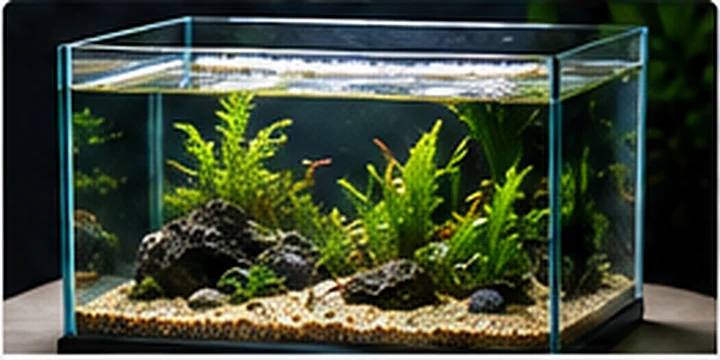
Photorealistic image of a planted freshwater aquarium used for tank-volume planning

Use water depth, not glass height

Water-space volume

Partially filled aquariums occur in quarantine setups, shallow aquascapes, breeding systems and paludarium-style builds. Using the full glass height can substantially overstate the amount of water present.

Example

An 80 × 35 cm base filled to 22 cm contains 61.6 litres before subtracting displacement. If the glass is 40 cm high, using full height would incorrectly suggest 112 litres.

Photorealistic image of a planted freshwater aquarium used for tank-volume planning

The correct third dimension for a partial-fill calculation is the water depth, not the unused glass above it.

Further displacement

Substrate, rocks and internal equipment still occupy space below the water line. If the difference matters, use the main volume calculator to model an additional displacement allowance after calculating the water-space volume.

When partial-fill maths is useful

Aquariums are sometimes run well below the top edge: shallow aquascapes, temporary observation or quarantine setups, breeding systems and paludarium-style displays are common examples. Using the glass height in those cases can substantially overstate the amount of water actually present.

Use the water depth from the base of the water column, not the unused glass above it. If there is deep substrate, the geometric water-space result can still be higher than the true water volume because the substrate and hardscape displace water.
Example

An 80 cm × 35 cm base filled to 22 cm contains 61.6 litres before displacement. The same tank filled to 35 cm would contain 98 litres. The glass has not changed; only the water depth has. That is why the fill level belongs in the calculation.