Nominal capacity
Manufacturers and retailers may round a model to a convenient capacity. That is useful for product comparison but not always an exact measurement of water in a furnished tank.
Model names, geometric capacity and actual water quantity answer different questions.

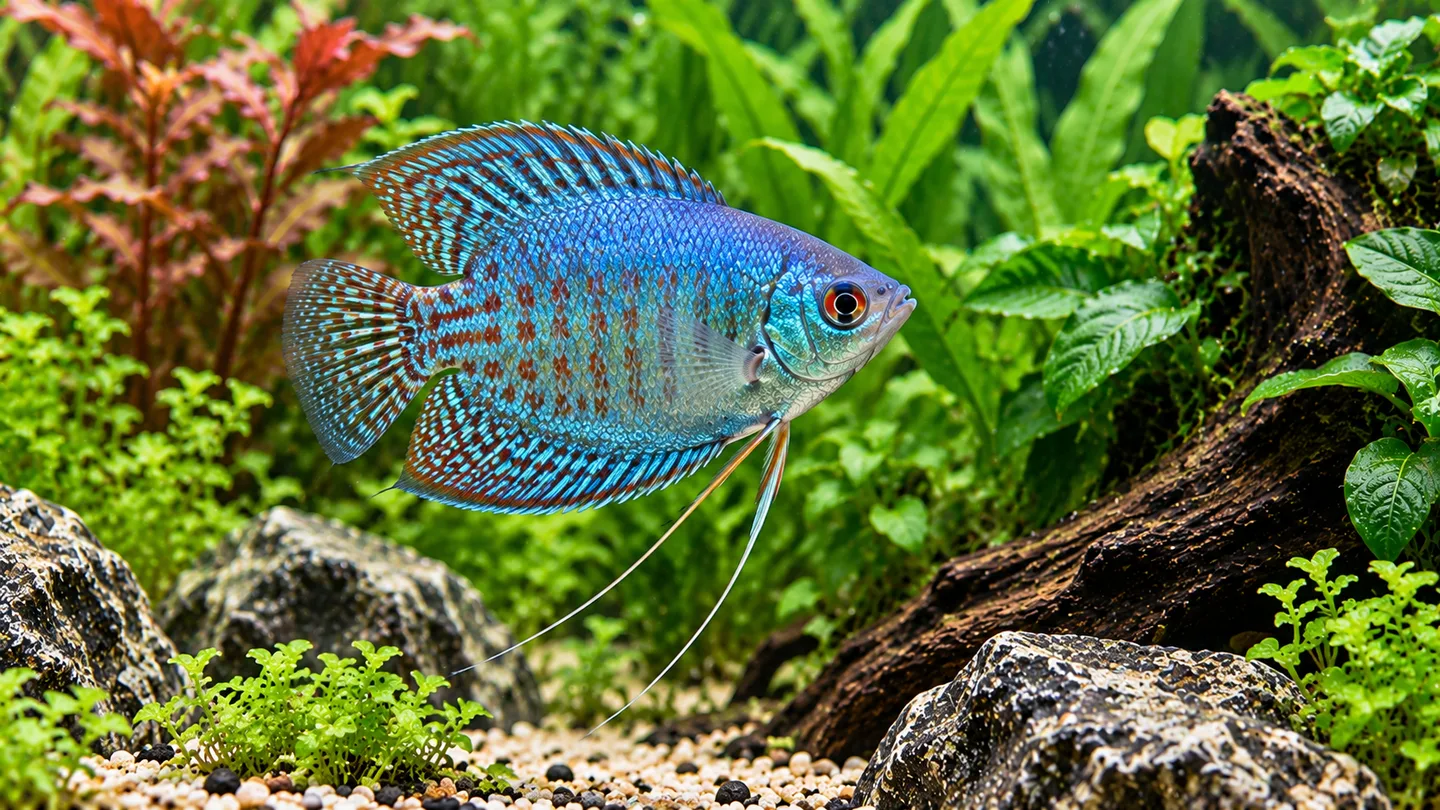
Manufacturers and retailers may round a model to a convenient capacity. That is useful for product comparison but not always an exact measurement of water in a furnished tank.
Internal dimensions describe the physical water space more directly, especially when you measure to the intended water line.
Original diagram supporting the nominal capacity vs real tank volume explanation.
Substrate, rocks, wood, internal equipment and an air gap reduce the water physically present. Heavily scaped setups lose more than bare tanks.
Use nominal capacity for broad model comparison, geometric capacity for physical checks and a realistic actual-water estimate for percentage changes and water-based arithmetic.
Writing down the water-volume number you use makes later calculations consistent and easier to audit.
Aquarium names are convenient for comparing products, but the label may be rounded and does not account for the waterline, substrate, rock, wood and internal equipment in your own setup. None of that makes the product label wrong; it simply means nominal capacity and actual water volume answer different questions.
Keep both numbers. The nominal model size is useful when finding spare parts and manufacturer guidance. Actual water volume is often more useful for percentage calculations and comparing flow.
If you consistently remove a known number of litres for a marked percentage water change, that observation can help you check whether your assumed usable-water figure is plausible. It is still an estimate, but it is based on your own setup rather than a generic deduction.