Why external measurements overstate water space
The outer box includes glass thickness, silicone joints, trim and sometimes decorative framing. Multiplying those dimensions treats solid material as water.
Small measurement differences compound when length, width and height are multiplied together.

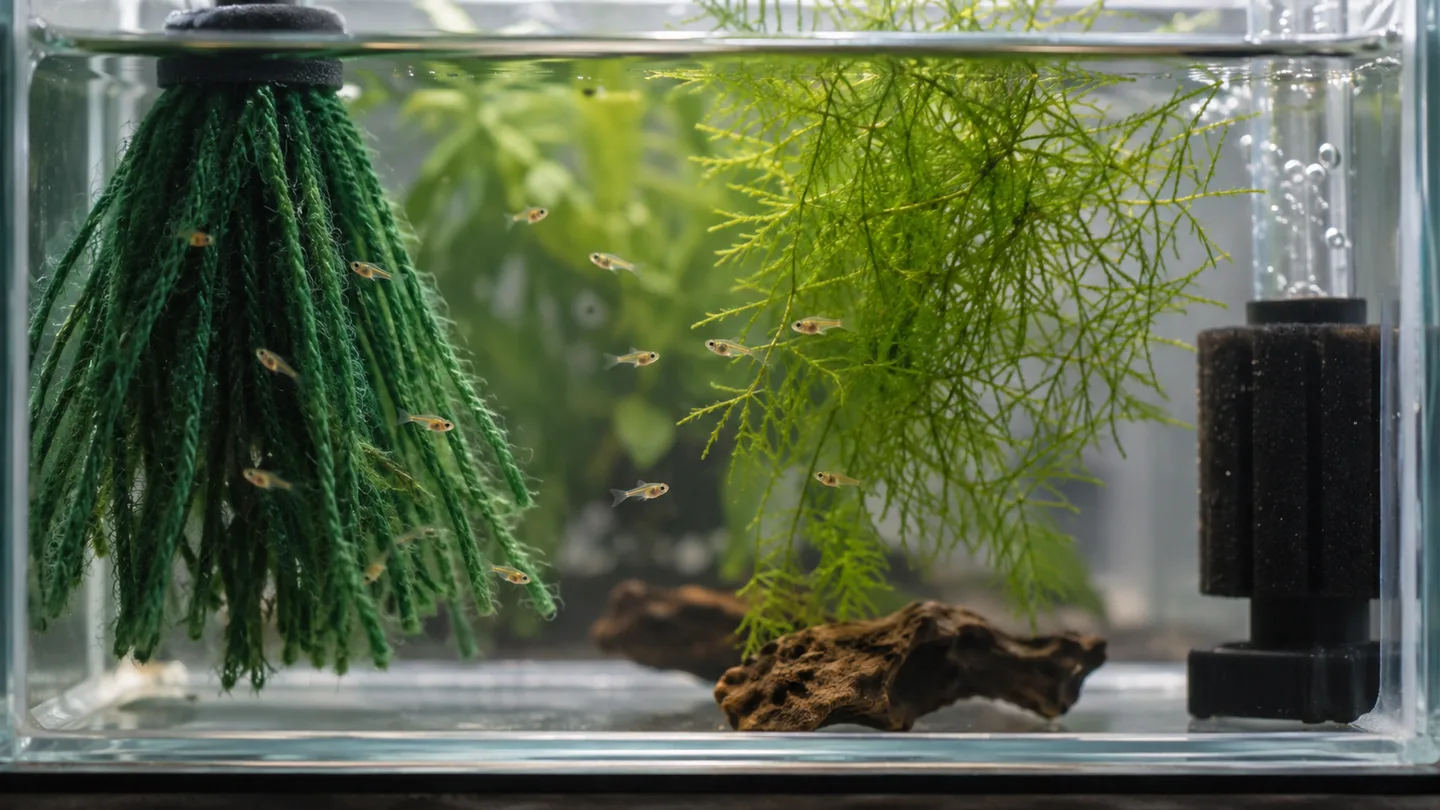
The outer box includes glass thickness, silicone joints, trim and sometimes decorative framing. Multiplying those dimensions treats solid material as water.
Even a correct internal glass height can overstate actual water if the tank is filled several centimetres below the rim. Measure to the real water line when the result will be used operationally.
Original diagram supporting the internal vs external aquarium dimensions explanation.
A 2% error in each of three dimensions can produce a noticeably larger percentage error in the final volume because the measurements are multiplied.
If the aquarium has complex moulded sections or curved panels, reliable manufacturer capacity data may be more useful than a rough tape-measure reconstruction.
Use one clearly documented measurement basis across related calculations rather than switching between external, internal and advertised figures.
On a large aquarium, glass thickness is subtracted from more than one dimension and the difference is multiplied across the whole footprint. Add a lower waterline and the true water space can be noticeably smaller than a simple outside-length × outside-width × outside-height calculation.
For everyday planning, an internal tape measurement is usually more useful than trying to infer glass thickness from the outside. Keep the measurement method written down so later calculations use the same basis.