During a cold-weather power cut, keep doors and windows closed, move the tank away from drafts if that can be done without moving the aquarium itself, and insulate the sides and top with blankets or other dry insulating material while preserving ventilation and access. Run battery aeration because covering the tank must not sacrifice oxygen. Monitor temperature and make any warming corrections gradually.
An aquarium contains a large thermal mass, so temperature often falls gradually rather than instantly. Your job is to slow that loss and prevent sudden corrective swings.
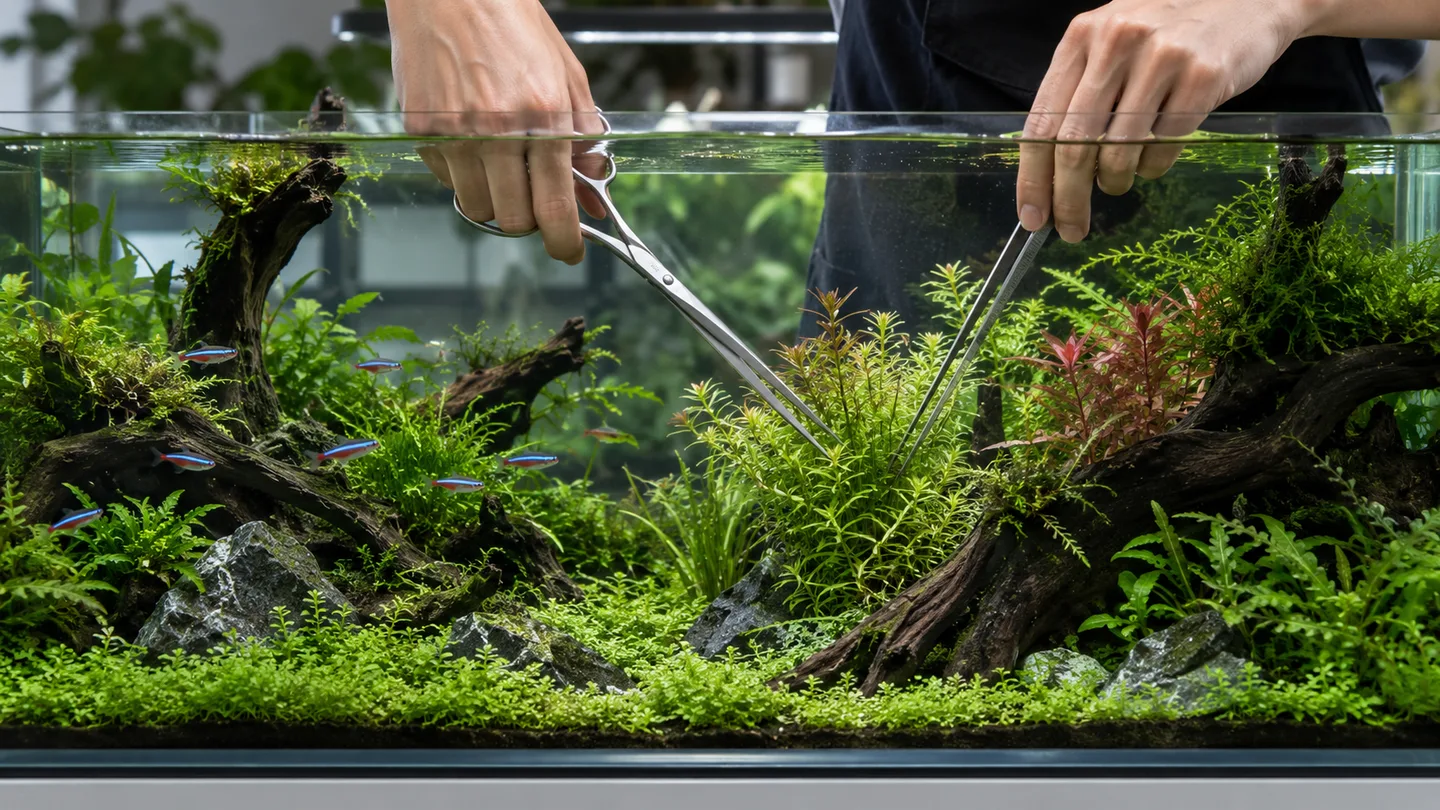
Insulate before trying to add heat
Fluval recommends closing windows in cold weather and using insulating material around the aquarium. Blankets, towels or a suitable cover can reduce heat loss from the glass and surface.
Keep electrical areas dry and do not block necessary air exchange.
Keep the room warmer if possible
If you have a safe alternative heat source for the room, warming the room reduces the temperature gradient between air and water. Follow all normal household safety requirements for any heater.
Never use combustion heaters in unsafe or poorly ventilated ways.
Avoid sudden hot-water fixes
Pouring very hot water directly into the aquarium can create local thermal shock. If emergency warming is genuinely necessary, use controlled gradual methods and monitor with a reliable thermometer.
The goal is stability, not instantly restoring the exact set temperature.
Oxygen still comes first
A warm but oxygen-poor aquarium is not safe. Keep battery aeration running and remember that warmer water holds less dissolved oxygen.
If resources are limited, prioritise gas exchange while slowing heat loss as much as practical.
Frequently asked questions
Should I wrap the aquarium in blankets?
Insulating the sides can help reduce heat loss, provided you keep equipment dry and maintain necessary gas exchange.
Can I pour hot water into the tank?
Avoid sudden direct additions of hot water because they can create damaging temperature swings.
What temperature drop is dangerous?
Risk depends on the species and rate of change. Monitor the tank and compare with the appropriate temperature range for your livestock.
Sources and further reading
This guide separates general aquarium arithmetic from fish-welfare decisions. For species-specific limits, always check the needs of the fish you intend to keep.