Bristlenose plecos remain much smaller than the fish sold under the broad 'common pleco' label and are therefore easier to house in typical home aquariums. Common plecos can become very large, need substantial floor space and filtration and are frequently sold when young to tanks they will eventually outgrow. Both need a proper diet and should not be bought simply as algae-cleaning equipment.
The two fish can look similar when small, which is why shop labels matter. A juvenile common pleco may fit comfortably in a modest tank for a while, then become one of the largest animals in the aquarium.
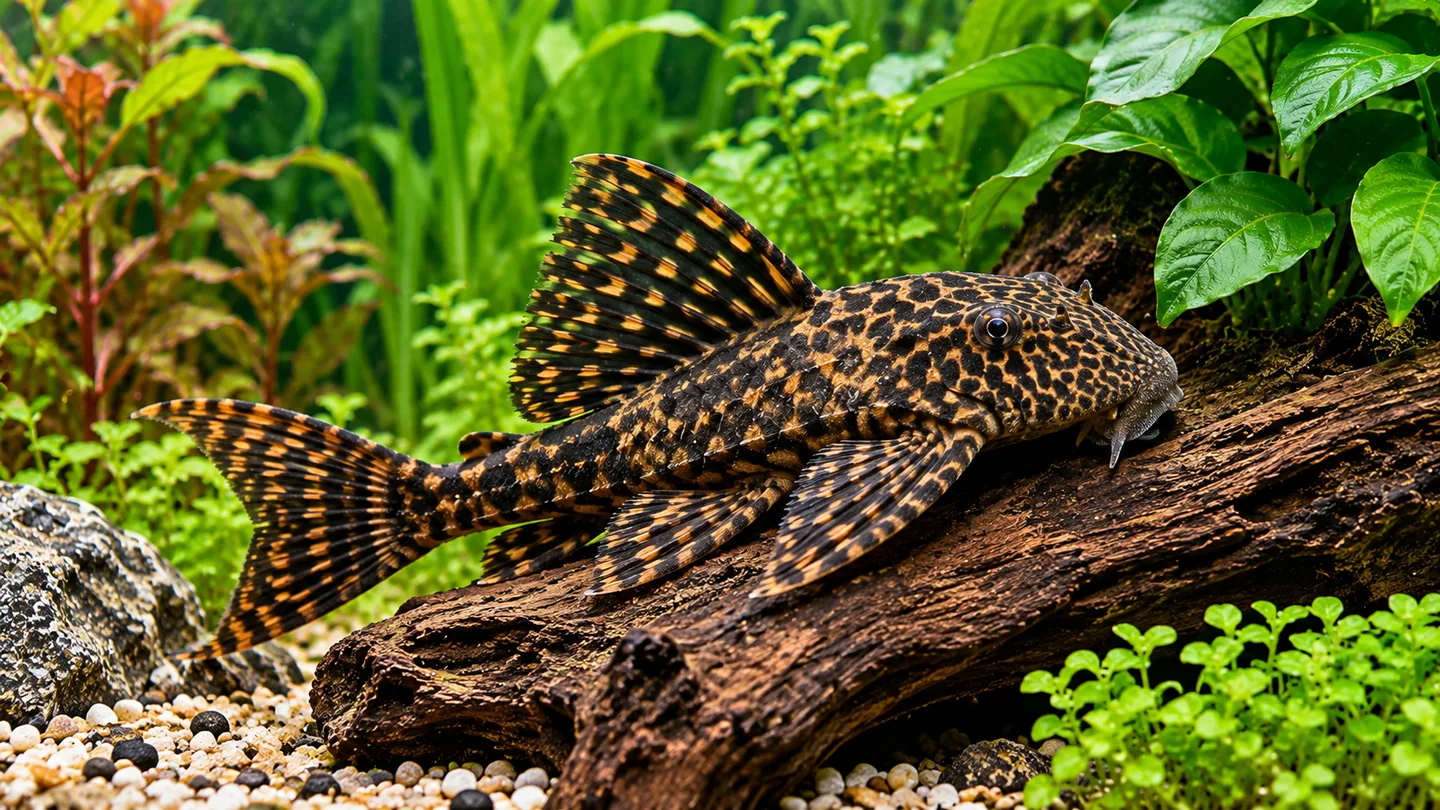
Adult size is the decisive difference
Bristlenose plecos are a relatively compact Loricariid. Common pleco types can grow several times larger and need a much bigger long-term enclosure.
Waste output scales with body size
A large common pleco produces a heavy bioload. Strong filtration and frequent maintenance become increasingly important as the fish grows.
Both need real food
Neither species should be expected to survive on incidental algae. Provide species-appropriate sinking foods, vegetables and other dietary components.
Buy for adult size, not shop size
Before purchase, identify the species or at least confirm the likely adult size. 'Pleco' is not a useful enough long-term care label by itself.
Related aquarium tools and guides
Frequently asked questions
Which pleco is better for a typical community tank?
A bristlenose is usually more manageable because of its smaller adult size.
Do common plecos stay small in small tanks?
No. A small tank does not safely stunt a fish into a suitable adult size.
Do both species eat algae?
They may graze algae, but both require a proper diet.
Sources and further reading
This guide separates general aquarium arithmetic from fish-welfare decisions. For species-specific limits, always check the needs of the fish you intend to keep.