Aquarium planning

Gross volume vs actual water volume

A retailer’s capacity, geometric water space and the water physically in your setup can all be different numbers.

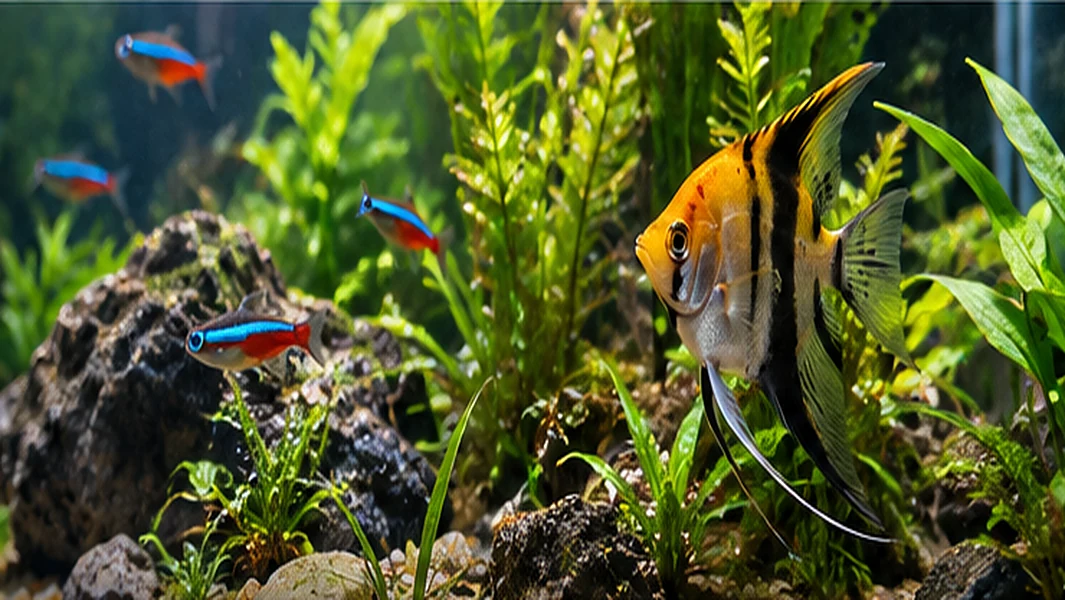
Photorealistic image of an angelfish in a planted freshwater aquarium

Three numbers often share the same label

A model name may use a rounded nominal capacity. Geometric gross volume describes a rectangular or shaped water space. Actual water volume is what remains after the water line, substrate, rocks, wood and internal equipment are considered.

Why actual volume matters

Water-change percentages, filter-turnover comparisons and some product instructions become more useful when they start from a realistic water quantity rather than a marketing label.

Photorealistic image of an angelfish in a planted freshwater aquarium

Original diagram supporting the gross volume vs actual water volume explanation.

Do not hide a universal deduction

A blanket 10% deduction can be a useful scenario, but it is not a measurement. Bare tanks and heavily scaped aquariums can differ dramatically. The main calculator therefore lets you choose the allowance rather than forcing one value.

Use observation to sanity-check the estimate

If a marked 25% water change consistently requires far less than a quarter of the advertised capacity, that is evidence the working water quantity differs from the label. Consistent real-world measurements can improve the estimate.

Keep the purpose clear

Gross volume is useful for comparing physical tanks. Actual water volume is more useful for changes and water-based calculations. Neither number alone tells you what animals the aquarium can responsibly house.

Related tools

Keep both numbers in your records

Nominal or gross capacity is useful for identifying the aquarium and comparing manufacturer information. Actual-water estimates are useful for percentage water changes and flow calculations. Writing down which number you used prevents later confusion when two perfectly reasonable “tank sizes” differ.