Aquarium planning

Aquarium filter flow calculator

Turn a turnover target into a litres-per-hour comparison number without pretending flow alone equals filtration.

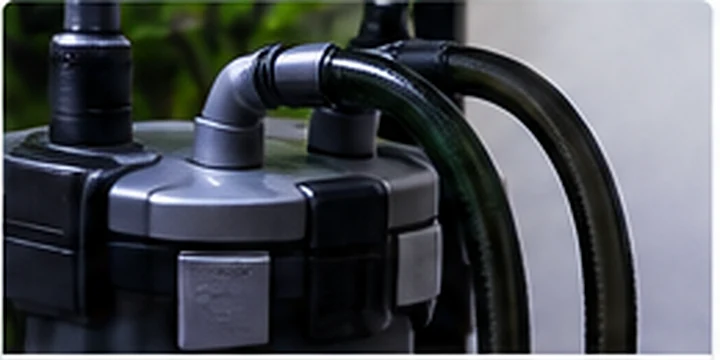
Close-up photorealistic image of aquarium filtration equipment and hoses

Convert a chosen turnover into litres per hour

Arithmetic target

The turnover number comes from you; the calculator does not pretend one rate suits every aquarium.

If the aquarium contains 150 litres and you are comparing equipment against a 4×-per-hour target, the arithmetic target is 600 L/h. That is a comparison number, not a universal husbandry rule.

Rated flow is not delivered flow

Pump and filter packaging often quotes flow under favourable test conditions. Filter media, hoses, bends, head height and accumulated dirt can reduce the flow delivered in a real installation.

Close-up photorealistic image of aquarium filtration equipment and hoses

Media resistance and plumbing mean actual delivered flow can be lower than a pump’s headline rating.

Flow and filtration are different

A high litres-per-hour number does not prove that biological filtration is established or that ammonia and nitrite are controlled. Water-quality testing, filter maturity and appropriate maintenance remain separate issues.

Use the number as a comparison

The useful pattern is: decide on a target from suitable equipment/species guidance, calculate the corresponding L/h, compare real equipment performance and then check whether the animals tolerate the resulting current and water quality remains appropriate.

Turnover is a comparison number, not a quality score

Dividing flow by aquarium volume gives turnovers per hour. That makes two filters easier to compare on the same tank, but a bigger number does not automatically mean better filtration. Biological media, maintenance, oxygenation, flow pattern and the needs of the fish still matter.

Manufacturer pump ratings are usually measured under specified test conditions. Media, hoses, lift height and dirt can reduce delivered flow in a real installation. Use the calculator to create an arithmetic target, then check the equipment instructions and observe how water actually moves around the aquarium.

Before buying or changing a filter

Start with real water volume

Gross model capacity can overstate the water being circulated.

Choose the target deliberately

This tool does not hide a single universal turnover rule. Enter the target that is appropriate for the setup you are researching.

Check current-sensitive species

Some fish prefer calmer water. Flow rate and flow distribution are related but not identical.

Plan for maintenance

A filter only performs well when media and intakes are maintained appropriately without destroying the biological function you rely on.