Aquarium planning

Aquarium electricity cost calculator

Build a transparent daily and annual running-cost scenario using your own equipment and tariff.

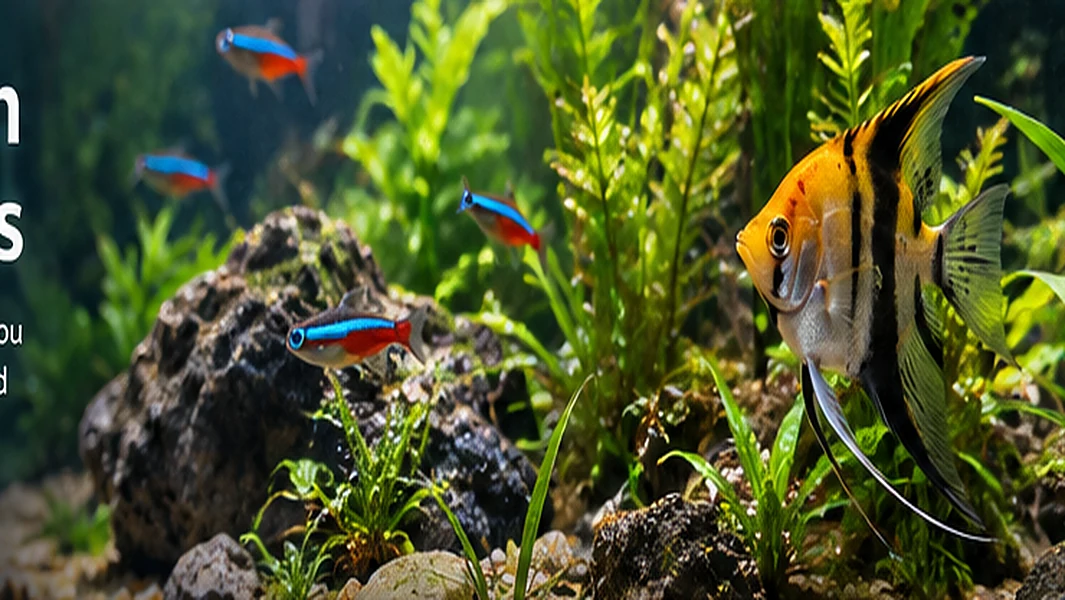
Photorealistic image of a lush planted freshwater aquarium with tropical fish

Model the equipment you actually run

Scenario estimate

A thermostatic heater is not normally drawing its rated wattage every minute. Duty cycle matters, while filters commonly run continuously and lights run for a chosen schedule. This tool keeps those patterns separate.

Worked example

A 150 W heater active 35% of the time averages 52.5 W across the day. Add a 12 W filter running continuously and a 25 W light for eight hours, then apply your own tariff.

daily kWh = (heater W × duty cycle × 24 + filter W × 24 + light W × light hours) ÷ 1,000
Photorealistic image of a lush planted freshwater aquarium with tropical fish

Changing heater duty cycle, tariff and lighting hours makes the biggest assumptions visible.

Measure if you need a real answer

Room temperature, lid design, airflow, target water temperature and season can change heater run time. A plug-in energy monitor is more reliable than an estimate when you need measured consumption.

What is not included

Air pumps, UV units, wavemakers, dosing equipment and smart-plug standby use are not included unless you add them elsewhere. The result is a planning scenario, not a utility-bill guarantee.

Make the estimate progressively better

Start with the wattages printed on your equipment and your own electricity tariff. The weak point is usually the heater duty cycle: a thermostatic heater switches on and off, so it rarely behaves like a device drawing its full rated wattage every minute of the day.

If running cost matters, a plug-in energy monitor can replace the duty-cycle guess with a measured figure. Recheck in a colder period as room temperature changes how hard the heater works. Variable-speed pumps and dimmable lights can also use less than their label maximum depending on their settings.
What the estimate includes

  • Heater wattage multiplied by the duty-cycle percentage you enter.
  • Filter or pump wattage running for 24 hours.
  • Lighting wattage multiplied by the daily lighting hours.
  • Your own pence-per-kWh tariff.

Standing charges are excluded because they are household charges you pay regardless of the aquarium. Additional equipment such as air pumps, UV units, dosing pumps, CO₂ solenoids, wavemakers or chillers should be added separately if they are significant.